Menstrual Disorders
Menstrual Disorders: Heavy, Painful or Missed Periods Explained
5 September 2026 · 5 min read
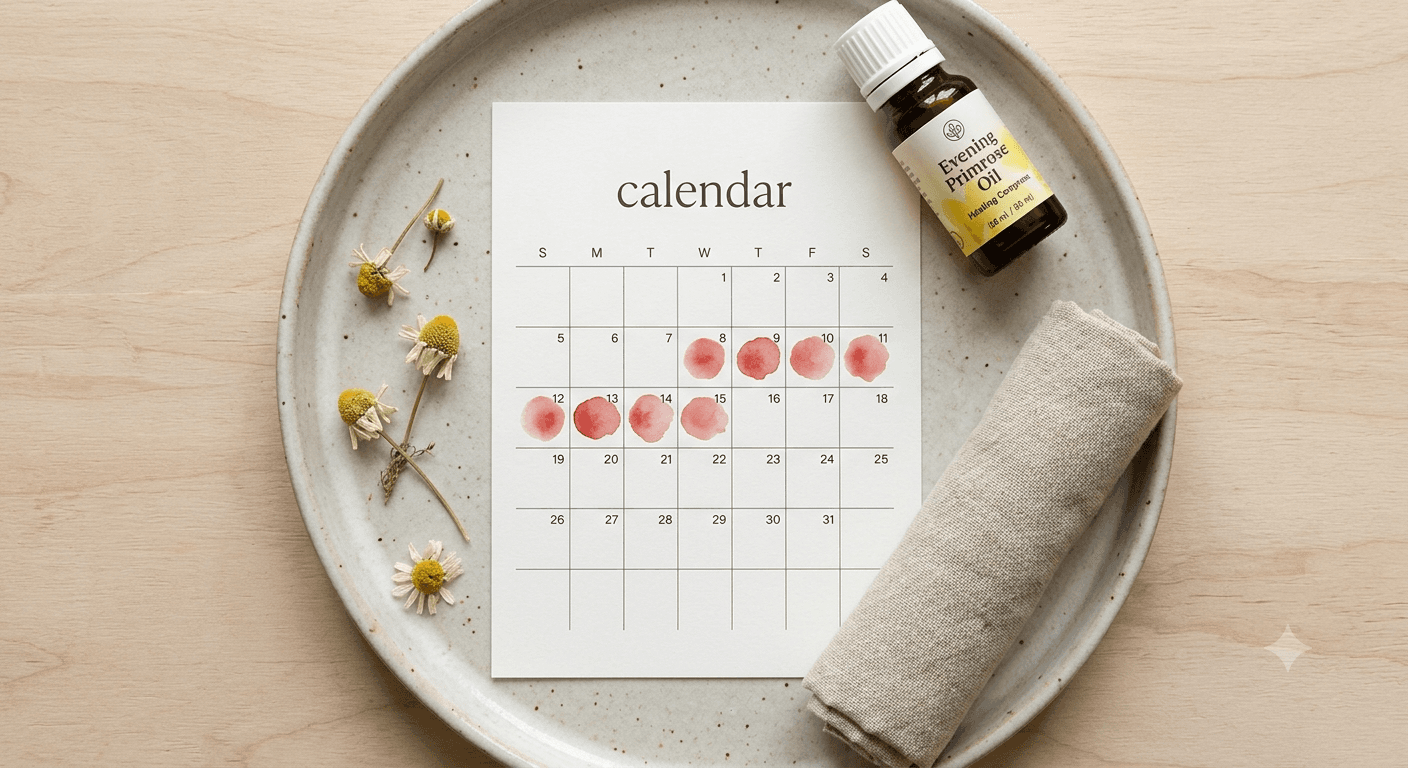
What counts as a menstrual disorder
Periods vary from woman to woman, and some variation is normal. But certain patterns are worth a check — not because they always signal something serious, but because they are often very treatable once the cause is known.
- Heavy bleeding — soaking through protection quickly, passing large clots, or bleeding beyond seven days.
- Severe pain that interferes with work, sleep or daily life.
- Cycles shorter than 21 days or longer than 35 days.
- Periods that stop for several months (outside pregnancy).
- Bleeding between periods or after intercourse.
Common causes
The cause depends on age and symptoms, but often includes hormonal imbalances such as PCOS or thyroid problems, fibroids or polyps, endometriosis, anaemia, or the natural changes of approaching menopause.
Because the causes are so varied, the first step is always to investigate rather than simply mask the symptom.
How it's investigated
A careful history and examination come first, often with a few targeted tests — blood work to check for anaemia and thyroid or hormone levels, and an ultrasound to look at the uterus and ovaries. This usually points clearly to the cause.
Why it's worth acting on
Heavy periods are a common and overlooked cause of low iron and constant tiredness. Painful periods can quietly shrink your life month after month. Both usually settle well with the right treatment. At Care and Cure Clinic, the aim is to find the cause and settle it — not to hand over painkillers and send you home.
This article is for general information only and is not a substitute for personal medical advice. For guidance about your own health, please consult Dr. Shabana Siddiqui or a qualified doctor.
Have a question about menstrual disorders?
Walk-ins are welcome during both sittings, or call ahead for the shortest wait. Morning 10 AM – 2 PM · Evening 5 PM – 9 PM.