High-Risk Pregnancy
High-Risk Pregnancy: What It Means and How Monitoring Helps
2 September 2026 · 6 min read
What 'high-risk' actually means
A high-risk pregnancy is not a diagnosis of trouble — it simply means there is a factor that makes closer monitoring worthwhile. Many high-risk pregnancies end in a completely normal delivery precisely because they were watched carefully.
The label helps the doctor plan: more frequent visits, extra scans, and a clear delivery strategy decided well in advance rather than in a hurry.
Common reasons a pregnancy is watched more closely
Some risk factors are present before pregnancy; others develop along the way. Either way, they are manageable when caught early.
- High blood pressure or a tendency toward pre-eclampsia.
- Diabetes — either existing or gestational (developing during pregnancy).
- Thyroid disorders, anaemia or other hormonal conditions.
- Age under 18 or over 35, or a multiple pregnancy (twins).
- A previous miscarriage, premature birth or difficult delivery.
How monitoring works
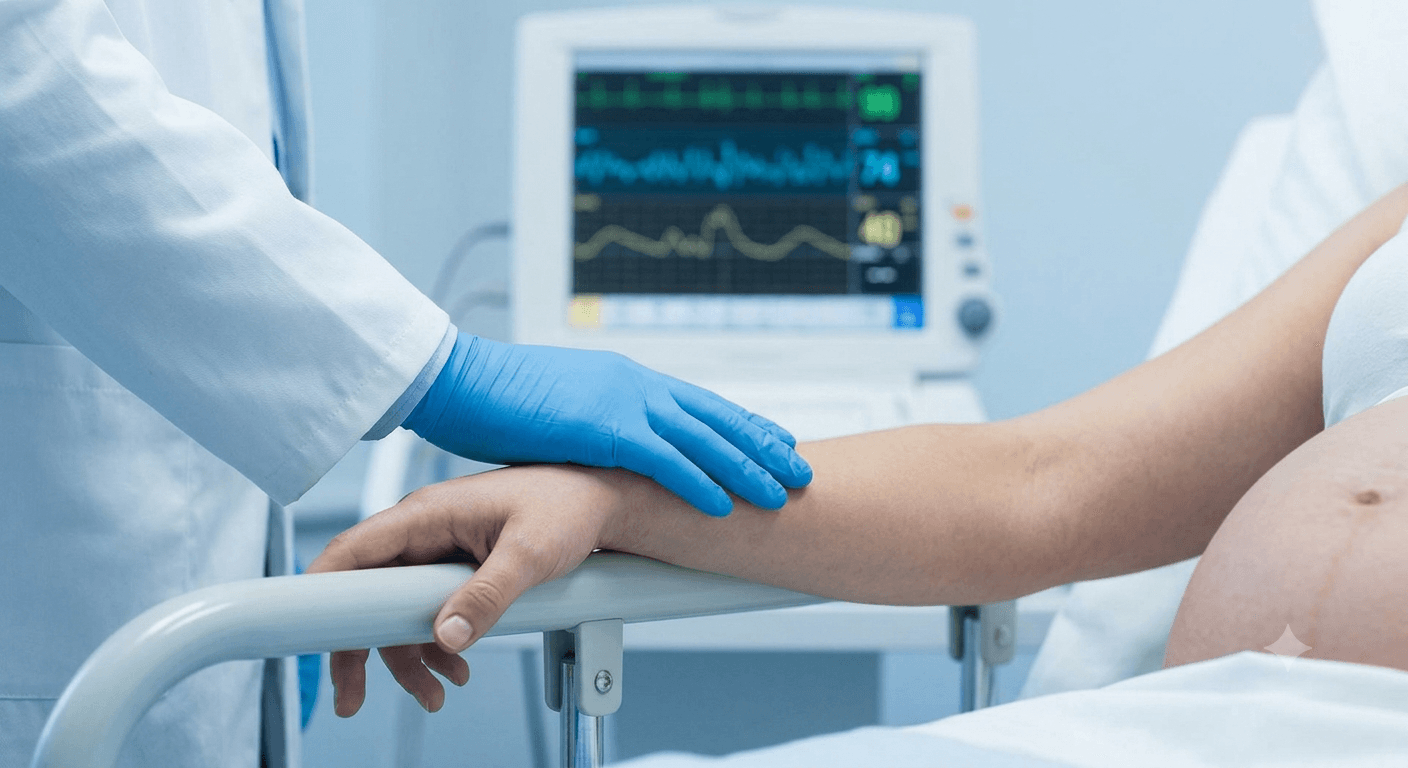
Monitoring is mostly about trends, not single readings. Blood pressure, weight, blood sugar and the baby's growth are tracked visit to visit so a slow drift can be spotted before it becomes a problem.
Depending on the risk factor, this may include extra growth scans, Doppler studies of blood flow to the baby, and more frequent blood tests. The plan is adjusted as the pregnancy progresses.
What you can do
The single most helpful thing is not missing visits — the value of monitoring comes from consistency. Take prescribed iron, calcium or medication exactly as advised, keep a note of the baby's movements in the third trimester, and report warning signs the same day.
Planning delivery in advance
For high-risk pregnancies, the delivery plan — where, when and how — is discussed early and revisited as the due date nears. Knowing the plan removes much of the anxiety. At Care and Cure Clinic, that plan is made with you, in plain language, so there are no last-minute surprises.
This article is for general information only and is not a substitute for personal medical advice. For guidance about your own health, please consult Dr. Shabana Siddiqui or a qualified doctor.
Have a question about high-risk pregnancy?
Walk-ins are welcome during both sittings, or call ahead for the shortest wait. Morning 10 AM – 2 PM · Evening 5 PM – 9 PM.